Trader Joes Brined Turkey: What to Expect
Trader Joes brined, bone‑in half‑breast is fully cooked, seasoned with butter, herbs, and brine. It needs only reheating—no microwave—to keep moisture. Store in fridge or freezer; thaw overnight if frozen. Keep it chilled.!
Product Features and Portion Sizes
Trader Joes brined, bone‑in half‑breast weighs about 2.5–3 lb (1.1–1.4 kg) per portion, yielding 4–5 servings; The turkey is pre‑brined with salt, sugar, and aromatics, then buttered and seasoned with thyme, rosemary, and garlic. It is fully cooked, so reheating is all that’s needed. Each package contains a single half‑breast, ideal for smaller gatherings or a quick family dinner. The vacuum‑sealed bag preserves freshness; store in the fridge up to 3 days or freeze for longer. Thaw overnight if frozen, then reheat to 165 °F (74 °C). The label lists weight, cooking instructions, and a suggested reheating method. This convenient option delivers moist, flavorful meat without extra prep. The brine’s blend of salt, sugar, and herbs infuses the meat with subtle depth, while the butter under the skin keeps the skin crisp during reheating. Because the turkey is pre‑cooked, you can simply place it on a rack in a shallow pan, bake at 325°F for 15–20 minutes, or finish on a grill for extra char. Serve with cranberry sauce, roasted vegetables, or a light salad for a balanced feast. Enjoy a hassle‑free holiday meal. —now
Trader Joes brined, bone‑in half‑breast weighs about 2.5–3 lb (1.1–1.4 kg) per portion, yielding 4–5 servings. The turkey is pre‑brined with salt, sugar, and aromatics, then buttered and seasoned with thyme, rosemary, and garlic. It is fully cooked, so reheating is all that’s needed. Each package contains a single half‑breast, ideal for smaller gatherings or a quick family dinner. The vacuum‑sealed bag preserves freshness; store in the fridge up to 3 days or freeze for longer. Thaw overnight if frozen, then reheat to 165 °F (74 °C). The label lists weight, cooking instructions, and a suggested reheating method. This convenient option delivers moist, flavorful meat without extra prep. The brine’s blend of salt, sugar, and herbs infuses the meat with subtle depth, while the butter under the skin keeps the skin crisp during reheating. Because the turkey is pre‑cooked, you can simply place it on a rack in a shallow pan, bake at 325°F for 15–20 minutes, or finish on a grill for extra char. Serve with cranberry sauce, roasted vegetables, or a light salad for a balanced feast. Enjoy a hassle‑free holiday meal. —now
Pre-Cooked Status and Storage
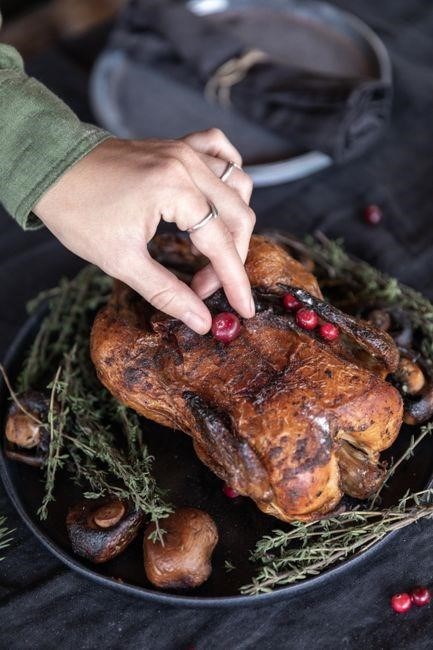
Trader Joes brined turkey is cooked during processing so no additional roasting time is required beyond reheating. The product comes vacuum‑sealed, which locks in moisture and flavor. Store the unopened package in the refrigerator for up to three days after purchase. If you need to keep it longer, place the sealed bag in the freezer; it will maintain quality for up to six months. When ready to serve, thaw the turkey in the refrigerator overnight if it was frozen. Do not thaw at room temperature, as this can encourage bacterial growth. Once thawed, keep the turkey in its original packaging until you’re ready to reheat. The best reheating method is to place the half‑breast on a wire rack in a shallow roasting pan, cover loosely with foil, and bake at 325 °F (165 °C) until the internal temperature reaches 165 °F (74 °C). This preserves the crisp skin and juicy interior. Avoid microwaving, which can make the meat rubbery. After reheating, let the turkey rest for 10–15 minutes before carving. Store leftovers in a container for up to four days or freeze fast! Proper storage and reheating keep the turkey safe and delicious.!
Getting the Turkey Ready for the Oven
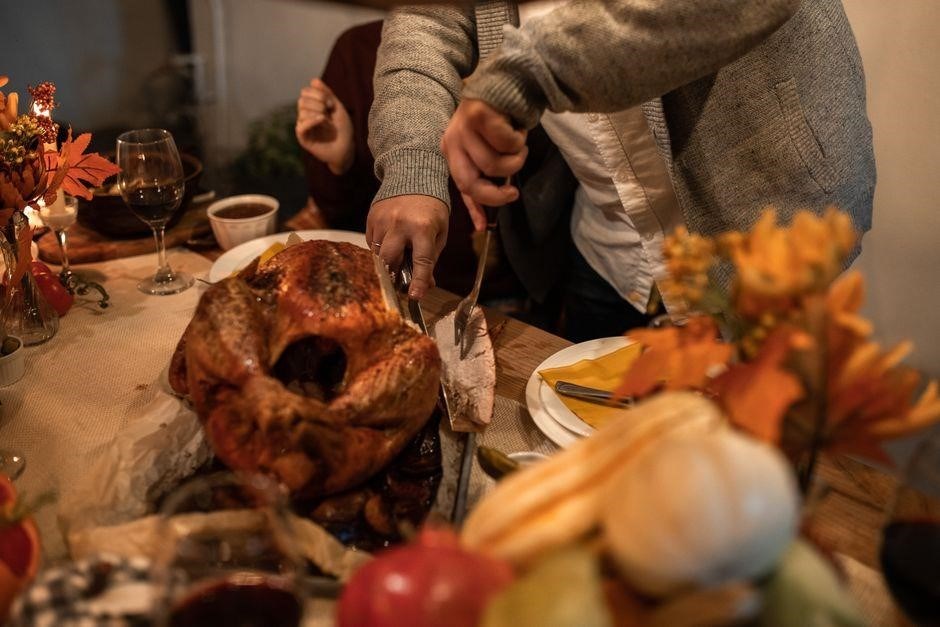
Thaw the half‑breast in the fridge overnight. Remove giblets, pat dry, and rub butter with herbs under the skin. Let the turkey sit on a rack at room temperature for 30 min before roasting. Keep skin crisp by resting 10 min now.!
Thawing Recommendations
Thawing the half‑breast properly ensures even heating and texture. The safest method is to place the frozen turkey in the refrigerator for 24 hours per 5 lb of meat, or about 12 hours for a 3‑4 lb half‑breast. If time is limited, submerge the sealed package in cold tap water, changing the water every 30 minutes until thawed. Avoid thawing at room temperature, as surface bacteria can grow while the interior remains frozen. Once thawed, pat the turkey dry with paper towels to remove excess moisture; this helps the skin crisp during roasting. Store the thawed turkey in a shallow dish on a tray to catch any drippings, and keep it refrigerated until ready to cook. If you need to re‑freeze a partially thawed bird, do so only if it has remained below 40 °F (4 °C) and has not been left at room temperature for more than two hours. For best results, let the turkey rest at room temperature for 30 minutes before roasting to promote even cooking. This approach also preserves turkey’s natural juices preventing dry meat during final bake. Additionally, refrigerating hours keeps a skin and crisp.

Removing Giblets and Buttering Under Skin
First, open the sealed bag and gently pull out the small tray of giblets. While the turkey is still cold, slide a thin layer of softened butter between the breast meat and the skin. Use a pastry brush or your fingertips to spread the butter evenly, ensuring the skin stays moist yet crisp during roasting. Add a few sprigs of fresh thyme or rosemary to the butter for aromatic depth. If you prefer a richer flavor, mix the butter with minced garlic, lemon zest, and a pinch of salt before application. Carefully lift the skin with a small knife, creating a pocket that allows the butter to seep into the flesh. This technique locks in juices and enhances the golden crust. After buttering, let the turkey rest on a rack for at least an hour at room temperature to allow the skin to dry slightly, which promotes crispiness when it hits the oven. Finally, discard the giblets or save them for stock, as they add savory depth to sauces or soups later. Tip: If you want extra moisture, brush the skin with a thin layer of melted butter before roasting; this keeps the meat juicy while and crisp.
Using a Rack to Dry the Skin Overnight
After buttering the breast, place the turkey on a wire rack set over a rimmed baking sheet. The rack elevates the bird, allowing air to circulate around the skin and pull excess moisture to the bottom. Cover loosely with foil or a clean towel and refrigerate overnight. This simple step dries the skin, which is essential for a crisp, golden finish. The next day, remove the turkey from the fridge and let it sit at room temperature for about 30–60 minutes; this ensures even heating during roasting. If you prefer a slightly more pronounced crust, you can lightly brush the skin with a thin layer of melted butter or olive oil before baking. The rack also prevents the breast from sitting in its own juices, keeping the meat tender. Remember, the Trader Joes brined turkey is already cooked, so the goal is to reheat it safely while achieving that desirable crunch. When reheating, place the turkey on a rack in a shallow pan to allow heat to circulate, and bake at 325°F (165°C) until the internal temperature reaches 165°F. Let it rest for 20 minutes before carving to lock in juices. Serve with cranberry sauce for a classic touch. Enjoy! Family.

Roasting the Brined Turkey
Preheat oven to 325°F (165°C). Place turkey on a rack, roast 1–1.5 hrs, or until 165°F. Use a meat thermometer. Let it rest before carving for juicy results.
Keep the door ajar to let steam escape ensuring crisp skin.
Preheat Oven to 325°F (165°C) or 350°F (177°C)
Before placing the turkey in the oven, ensure it has reached the correct temperature. A standard recommendation for a fully cooked, brined half‑breast is 325°F (165°C) to maintain moisture while preventing over‑drying. If you prefer a slightly crispier exterior, raise the setting to 350°F (177°C). Set the oven timer for 15 minutes to allow the internal heat to stabilize. Use a calibrated oven thermometer to verify the actual temperature inside, as many ovens run hotter than labeled. A consistent heat profile guarantees even cooking and a tender, juicy result. Keep the oven door closed during the initial heating phase to avoid temperature fluctuations; Once the oven reaches the target, place the turkey on a rack in a roasting pan, skin side up, and proceed with the roasting schedule. Avoid pre‑baking or searing, as the brine already imparts flavor and moisture. Always monitor the internal temperature with a meat thermometer;the turkey is safe to serve once it hits 165°F (74°C) This method preserves the brine’s savory profile and ensures a delightful Thanksgiving centerpiece.
Place on Rack and Roast Time Guidelines

Position the brined half‑breast on a wire rack set in a rimmed roasting pan, skin side up. The rack lifts the meat, allowing hot air to circulate and the skin to crisp evenly. Preheat the oven to 325°F (165°C) or 350°F (177°C) as preferred. Roast the turkey for roughly 20 minutes per pound at 325°F, or 18 minutes per pound at 350°F. For a 4‑lb half‑breast, expect about 80 minutes at 325°F or 72 minutes at 350°F. Check the internal temperature with a probe inserted into the thickest part of the breast; the safe threshold is 165°F (74°C). If the skin is browning too quickly, tent the bird with foil. Remove the turkey when the thermometer reads 165°F, then let it rest on the rack for 20–30 minutes before carving.
For optimal results, rotate the bird halfway through cooking to ensure even browning. If the breast is a bit dry, lightly brush with melted butter or olive oil before the final 15 minutes. Keep the rack elevated to allow fat to drip away, preventing soggy skin. After roasting, let the meat rest on the rack to retain juices. Keep the rack elevated for 10 minutes after removal now.
Checking Internal Temperature (165°F)
Use a calibrated instant‑read thermometer to verify doneness. Insert the probe into the thickest part of the breast, avoiding bone, until the needle reads 165°F (74°C). This temperature ensures safe consumption while preserving moisture. If the reading is below 165°F, return the turkey to the oven and continue roasting in 5‑minute increments, checking again each time. Once 165°F is achieved, remove the turkey from heat immediately to prevent overcooking. Let the turkey rest on a rack for 20–30 minutes; during this period the internal temperature will rise a few degrees, a phenomenon known as carry‑over cooking. This resting period also allows juices to redistribute, yielding a tender, juicy breast. After resting, carve the half‑breast with a sharp knife, slicing against the grain for maximum tenderness; Serve promptly with your favorite sides. For accuracy, insert the probe into the breast’s thickest area, avoiding bone, and read the display after a few seconds. If the temperature is below 165°F, return the turkey to the oven and continue roasting in 5‑minute increments, checking again each time. Once the needle reaches 165°F, remove the bird from heat immediately to preserve juiciness and prevent overcooking.!!

Finishing Touches and Serving
Rest the turkey 20‑30 min, then carve cleanly. Avoid microwaving; reheat in oven at 350°F for 10 min if needed. Serve with seasonal sides, and store leftovers in airtight containers for up to 3 days.days.Enjoy OK!
Availability of Whole and Half Breasts
Resting the Turkey for 20-30 Minutes
After roasting, let half‑breast sit undisturbed on a cutting board for 20‑30 minutes. This pause allows internal juices to redistribute, ensuring each slice stays moist. Cover loosely with foil to keep skin warm, but avoid sealing it tightly—otherwise steam will soften crisp exterior. While resting, you can warm a small skillet over medium heat to prepare a quick pan sauce from the pan drippings, adding a splash of white wine, a knob of butter, and fresh herbs. When resting period ends, slice breast with a sharp knife, cutting against grain for tender, juicy pieces. Serve immediately with favorite sides, or if you need to hold turkey, place it in a shallow dish, cover with foil, and keep at room temperature for no more than two hours before refrigerating. This method preserves flavor and texture without compromising food safety.
Keep resting area covered with a clean towel to prevent dust. If you’re short on time, a quick 5‑minute oven reheat at 350°F will revive crispness without drying the meat. Remember let juices settle beforecarvingEnjoy
Enjoy a crisp, juicy half‑breast that feels like a masterpiece.

Carving a Half Turkey Breast Cleanly
When you’re ready to carve, place the rested half‑breast on a sturdy cutting board, skin side up. Use a long, sharp chef’s knife or a carving knife with a flexible blade. Begin by locating the natural seam where the breastbone meets the shoulder. Slice along this seam, cutting through the meat and the thin layer of fat, but stop short of the rib cage to preserve the shape. Once the breast is separated from the rest of the bird, rotate it so the bone faces you. With the knife angled slightly upward, cut thin, even slices perpendicular to the bone, keeping the knife’s edge close to the meat to avoid tearing. If you prefer thicker slices, adjust the angle accordingly. After carving, arrange slices on a platter, skin side up, to showcase the golden crust. When slicing, keep the knife blade at a slight angle to the bone to allow the meat to slide off cleanly. Arrange the slices in a fan shape, letting the edges overlap slightly. If you prefer a rustic look, leave a few thicker strips along the edge of the breast. and crisp !!
Avoiding Microwave Reheating
Microwave reheating can strip moisture and produce a rubbery bite. Instead, transfer the half‑breast to a preheated oven set to 325°F (165°C). Place it on a wire rack in a shallow roasting pan to allow air circulation. Heat for 10–12 minutes, then check the internal temperature with a probe; it should reach 165°F (74°C). If you prefer a crisp skin, finish the last 5 minutes on the broiler, watching closely to prevent burning. For a quick stovetop option, slice the turkey into medallions, sauté in a hot skillet with a splash of olive oil, and cook until warmed through. These methods preserve juiciness and flavor, ensuring a tender, satisfying result.
Reheating in a conventional oven preserves the crispness of the skin and the moisture of the meat. Place the turkey on a rack in a shallow pan, cover loosely with foil, and heat at 300°F (149°C) for 10–12 minutes. Remove the foil, increase the temperature to 350°F (177°C), and roast for an additional 5 minutes to re‑brown the skin. Always check the internal temperature with a probe; it should read 165°F (74°C) before serving. This method keeps the turkey juicy and eliminates the rubbery texture that microwaves often produce. It stays moist, flavorful!!
Serving Suggestions and Pairings
Serve the Trader Joes brined half‑breast sliced across the grain, letting the buttery, herb‑infused meat shine. Pair with a classic cranberry‑apple relish for tart contrast, or a warm, buttery mashed‑potato side that absorbs the savory juices. A light, citrus‑infused vinaigrette over a mixed‑green salad brightens the plate, while roasted root vegetables—carrots, parsnips, and sweet potatoes—add earthy sweetness. For a festive touch, drizzle a maple‑balsamic glaze over the slices, and garnish with fresh thyme or rosemary sprigs. Complement the dish with a dry white wine such as a lightly oaked Chardonnay, or a crisp Pinot Grigio for a refreshing finish. If you prefer a richer palate, a bold red like a Merlot or a medium‑bodied Cabernet Sauvignon balances the brine’s saltiness. Finally, serve with buttery, herb‑seasoned green beans or a creamy, garlic‑scented polenta to round out the meal.
A splash of lemon‑yolk glaze brightens the slices, while a side of roasted Brussels sprouts adds crunch. Finish with a drizzle of honey‑mustard for a sweet‑savory kick. Today.
Storing Leftovers Safely
After reheating, let the turkey rest 5‑10 minutes, then slice and place in an airtight container. Refrigerate within 2 hours of cooking; keep at or below 40°F (4°C). Consume within 3–4 days for best flavor and safety. If you need longer storage, freeze the slices in freezer‑safe bags or containers; they stay good for up to 6 months. When ready to eat, thaw in the refrigerator overnight or use the defrost setting on your microwave—never at room temperature. Reheat to an internal temperature of 165°F (74°C) to kill any potential bacteria. Avoid refreezing thawed turkey, and never microwave cooked turkey more than once; it can become dry and rubbery. Store any leftover gravy or pan juices separately, and discard if they show off‑color or off‑odor. By following these steps, you’ll keep your Trader Joes brined turkey safe, tasty, and ready for quick meals. Add a drizzle of olive oil or melted butter to sliced turkey before serving to enhance juiciness and flavor. Store leftovers in airtight containers or vacuum‑seal bags, label with the date, refrigerate up to four days or freeze up to six months!!
